Deciding whether someone living with dementia should move into a care home can be one of the most difficult decisions a family has to make. It can be normal to feel a mixture of worry or guilt; however, these feelings can be a part of making a decision. There is no single stage of dementia that indicates it's time to start looking into care. The right time simply depends on the individual, their changing needs and whether they can receive the appropriate care at home.
In this blog, we explore how to recognise when someone living with dementia may need additional support and how to approach the decision of moving into a care home. We also offer guidance to help families navigate this important stage with confidence, ensuring their loved one receives the right level of care in a safe and supportive environment.
What Is Dementia?
Deciding whether a loved one with dementia needs additional care starts with understanding the condition and how it can affect them day-to-day. Dementia is not a single condition. It's an umbrella term for a group of symptoms caused by damage to the brain, which affects memory, thinking, communication and day-to-day abilities. There are many types of dementia, and each can affect people differently. Some common types of dementia include Alzheimer's, Vascular dementia, and Lewy body dementia.
As dementia progresses, a person's care needs can change significantly. Tasks that were once manageable may become more difficult, and the level of support they need throughout the day gradually increases. If a loved one or carer is struggling with these changes, it may be a sign that they need additional support.
Whichever type of dementia someone has, dementia is progressive, meaning symptoms usually become more noticeable and demanding over time. The pace varies from person to person, which is why many UK care homes offer specialist, tailored support for people at every stage, from early-stage to advanced dementia.


Signs It's Time To Consider Care
Deciding the right time for a loved one with dementia to make the transition into care can be difficult. Sometimes the signs are obvious, such as an incident at home. At other times, they are subtle and can build up gradually. Knowing what to look out for can help you act early, feel more confident about your decision and make sure your loved one gets the right support as soon as possible.
Struggling With Everyday Tasks
You might notice your loved one struggling with everyday tasks such as keeping on top of housework or preparing meals. With dementia, this can show up as forgetting to eat, letting food go out of date, or losing weight without explanation. It is often a sign that they are no longer able to manage everyday tasks alone, such as cooking and eating. Dementia can affect the planning and skills needed for even simple tasks.
Finding It Hard To Maintain Personal Hygiene
Personal hygiene can also become harder to manage with dementia. Bathing, dressing, and grooming may be skipped or forgotten. Those living with dementia may wear the same clothes for days or forget to brush their teeth. This can be normal for a loved one living with dementia. Dementia affects memory and can also make normal tasks frightening or confusing. This can be one of the hardest signs for families to spot. A person living with dementia may feel embarrassed or ashamed, so they may hide the problem and make excuses or even resist offers of help.
Worries About Safety
Safety is another key area to watch for. This might include frequent falls, forgetting to turn off appliances or difficulty getting around their home safely. In care homes, there are a range of purpose-built facilities that take into consideration residents' changing abilities. Some care homes have en-suite bedrooms, wheelchair-friendly landscaped gardens and spacious communal areas. All designed to ensure residents can move around safely, comfortably and with complete independence.
Concerned About Overall Wellbeing
You may also notice your loved one becoming more withdrawn, losing touch with friends, or showing less interest in hobbies they once loved. With dementia, this can happen for many reasons. Following a conversation may have become tiring or confusing, they may feel embarrassed about forgetting simple things, or they may have lost the motivation to start activities. Feelings of loneliness and isolation are common for those living with dementia, as they may gradually lose confidence in going out alone, and find it harder to keep up with people and pastimes.
Carers Feeling Overwhelmed
Caring for someone with dementia is not just demanding for the person living with the condition. It also takes a toll on the family members supporting them. Dementia care can be physically tiring and emotionally draining, especially as symptoms progress. You may be dealing with disturbed nights, repeated questions, or moments of distress or agitation. Over time, you may feel that there is little room left for rest and time for yourself.

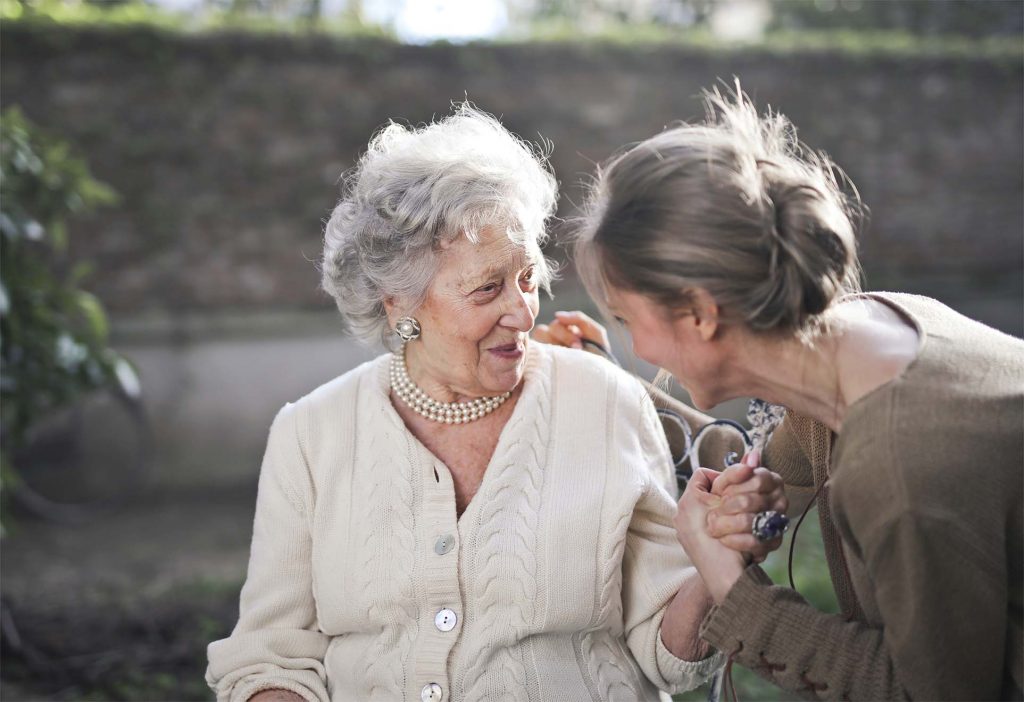

The Benefits Of Dementia Care
Moving a loved one into dementia care is a big decision, but for many families it brings real improvements to daily life, for the person living with dementia and for those who love them.
Safety and Security
Dementia can affect memory and awareness of risk. In a specialist care home, the environment is designed with this in mind, with secure entrances and gardens, staff on hand day and night, and support to reduce the risk of falls, wandering, and accidents like leaving the hob on. Your loved one can move around freely while you know they are being looked after.
Trained and Compassionate Staff
In care homes, trained staff are on hand around the clock to make sure residents are fully supported. Staff understand that eating can become harder as dementia progresses, so they offer gentle encouragement and support at mealtimes. Housework and daily upkeep are taken care of, which means residents can spend their time on the things they truly enjoy, such as activities, hobbies, quiet moments or time with family and friends. Additionally, dementia care staff understand how the condition affects behaviour and communication. They are trained to respond calmly to confusion, anxiety, and distress, and to spot changes in health or mood early, so small problems are addressed before they become bigger ones.
Receiving Person-centred Care
No two people experience dementia in the same way. Good dementia care is built around the individual, including their life story, routines, likes and dislikes, and the things that bring comfort. That might be a cup of tea in the morning, a particular song, or a well-loved cardigan. Many care homes in the UK encourage families and friends to help shape a tailored care plan. This knowledge helps staff connect with your loved one as a person. It can also help them respond to distress in a familiar, reassuring way. Care plans are reviewed regularly as dementia progresses, so support keeps pace with your loved one's changing needs, and you can stay involved in decisions about their care.
Social Connection and Activities
A varied programme of regular activities, including music sessions, reminiscence groups, gardening, and arts and crafts, can help give each day a sense of purpose, routine, and enjoyment. Familiar songs, cherished photographs, and hands-on activities can awaken memories, encourage self-expression, and create a sense of achievement, even in the later stages of dementia. Time spent with others in a warm and supportive environment can also reduce feelings of loneliness and isolation. Staff gently encourage residents to take part in ways that suit their interests and abilities, allowing friendships and connections to develop naturally, at a pace that feels comfortable for each individual.
Living In A Dementia Friendly Environment
A dementia-friendly environment is designed to make daily life easier and less confusing. Clear signage with pictures as well as words, and contrasting colours on communal and bedroom doors, help residents find their way around independently. Bedrooms filled with photographs and treasured keepsakes help people recognise their own room. Secure gardens and safe walking routes let residents move freely without the risk of getting lost. Together, these features can ease anxiety and agitation, protect independence and dignity, and help residents feel calm and at home.
Peace Of Mind For Families
Dementia care can change the way families spend time together. Dementia care provides an opportunity to step away from the day-to-day responsibilities of caring and return to simply being family. Care homes also give family carers valuable time to rest and maintain their own lives. Whether it is catching up with friends, spending time with other family members, attending appointments, or simply having some much-needed time for themselves, knowing their loved one is being cared for in a safe and supportive environment can provide genuine reassurance. It creates space for both the person living with dementia and their family to feel supported, refreshed, and connected.
Finding The Right Care Home
Choosing the right care home is a deeply personal decision, and visiting in person can help you get a true sense of whether a home feels right for you or your loved one. A website or brochure can provide useful information, but nothing compares to seeing the home's atmosphere first-hand and meeting the team.
During your visit, take time to observe how staff interact with residents, whether people seem comfortable and engaged, and how the home feels throughout the day. Look at the living spaces, gardens, dining areas, and activity programmes, and consider whether they reflect the interests, routines, and needs of the person who will be living there. It's also important to ask questions, raise concerns and take the time to understand how the care home can support your loved one.



Book A Visit To Chetwynd House Care Home
At Chetwynd House Care Home, we create a welcoming environment where every resident is treated as an individual. Our dedicated team provides compassionate, person-centred care, supported by comfortable facilities designed to help residents feel safe, settled, and at home.
We provide a choice of care services to meet different needs, including dementia care, residential care, nursing care, and respite care. Whatever level of support is required, our approach is centred around helping each person live as independently as possible, while protecting their dignity, wellbeing, and quality of life. Families can also have peace of mind knowing their loved one is receiving thoughtful care in an environment where they are known, valued, and supported.
If you are considering care in Chilwell, Nottingham for a loved one, want to talk through your options or would like to book a tour, please get in touch.